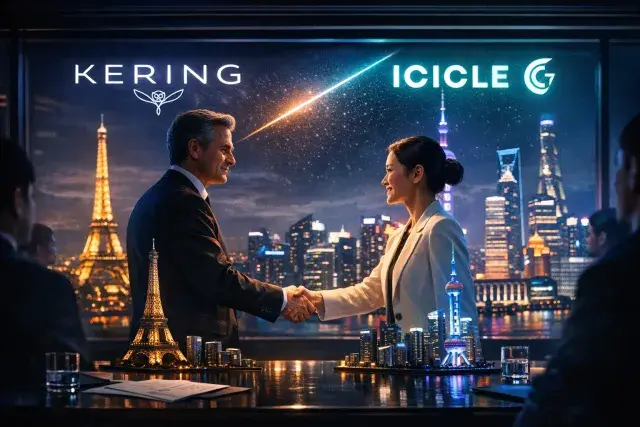
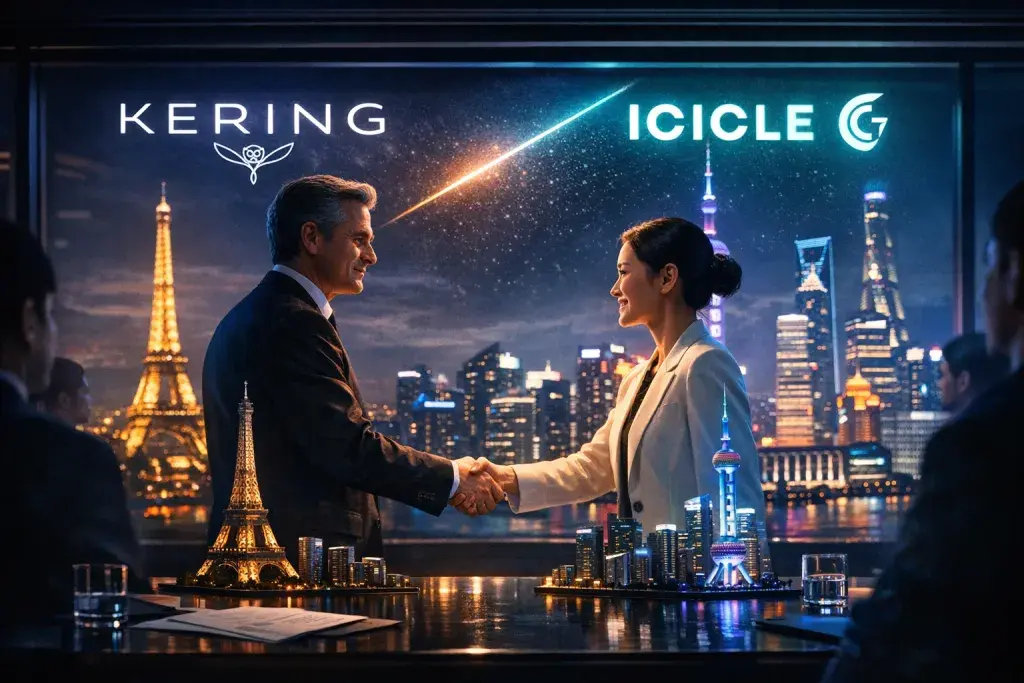
French luxury conglomerate Kering, owner of Gucci, announced on Thursday it will acquire a minority stake in Shanghai-based Icicle Fashion Group as part of a new alliance with Icicle's parent, ICCF. This move signals deepening ties between European luxury powerhouses and Chinese brands amid intensifying global competition. The partnership underscores China's rising influence in high-end fashion, where local players challenge Western dominance.
Roots and Rise of Icicle
Icicle emerged in 1997 as a Chinese brand focused on sustainable luxury apparel, blending minimalist aesthetics with natural materials. Headquartered in Shanghai, it now runs over 200 stores worldwide, including outposts in Paris that mark its push into Europe. This expansion reflects broader trends in Chinese fashion, where brands invest in international retail to build prestige and attract affluent global customers.
Strategic Drivers Behind the Deal
Kering gains entry into China's vast luxury market, the world's largest by consumer spending, without full ownership risks. Icicle benefits from Kering's expertise in brand management, supply chains, and Western market penetration. Such alliances allow both sides to share resources: Kering accesses Icicle's design innovation and local production strengths, while Icicle taps Kering's heritage in craftsmanship and distribution networks.
Implications for Global Luxury Landscape
This partnership highlights a shift from outright acquisitions to collaborative models, reducing geopolitical frictions in cross-border deals. For Kering, it diversifies beyond its core portfolio amid slowing growth in Europe and the U.S. Icicle's Western foothold could accelerate, positioning it as a bridge between Eastern minimalism and Western opulence. Investors watch closely, as similar pacts may reshape competition, with Chinese brands capturing more market share through hybrid global strategies.
Broader Cultural and Market Shifts
Luxury fashion increasingly fuses cultural influences, as Chinese consumers demand authenticity from homegrown labels. Kering's stake aligns with efforts to localize offerings while preserving exclusivity. The deal arrives as luxury groups face supply chain pressures and shifting tastes, prompting partnerships that balance innovation with tradition in a fragmented industry.